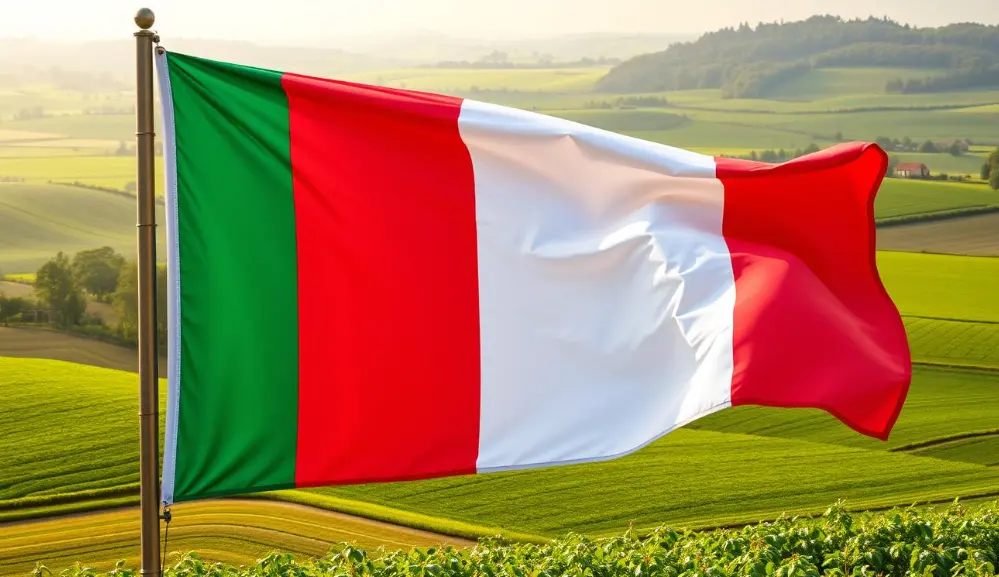
Agricultural Opportunities in Italy: What to Expect
Italy’s rich farming heritage and diverse agricultural landscape present exciting opportunities for those interested in agribusiness. The country boasts a variety of terrains, from rolling vineyards to lush olive groves. This diversity makes Italy a prime location for farming ventures. Italian agriculture is not just about tradition; it’s a dynamic sector ready for innovation and growth.

Whether you’re captivated by Tuscany’s sun-soaked fields or Lombardy’s fertile plains, Italy’s agricultural scene offers something for everyone. The combination of traditional practices and modern techniques creates a unique environment. This environment is ideal for both local and international investors to succeed in various agricultural ventures.
Key Takeaways
- Italy offers diverse farming opportunities across various regions
- The country combines traditional methods with modern agricultural practices
- There’s potential for growth in multiple sectors of Italian agriculture
- Agribusiness in Italy appeals to both local and international investors
- Italy’s agricultural landscape supports a wide range of crops and products
Overview of Italy’s Agricultural Landscape
Italy’s agricultural heritage stretches back centuries, defining its diverse farming regions. From Tuscany’s rolling hills to Emilia-Romagna’s fertile plains, each area has its own specialties. These contribute to Italy’s celebrated culinary traditions.
Traditional Farming Regions and Their Specialties
Italian farming regions stand out for their unique agricultural products. Piedmont is renowned for its truffles and wines. Meanwhile, Sicily is celebrated for its citrus fruits and almonds. Puglia’s olive groves produce some of the finest olive oil globally, and Campania’s tomatoes are crucial for authentic Italian dishes.

Current State of Italian Agriculture
Today, Italian agriculture combines tradition with innovation. Small family farms and larger commercial operations coexist, preserving cultural heritage while adopting modern techniques. Organic farming is gaining traction, reflecting the increasing demand for sustainable products.
Key Agricultural Products and Markets
Italy’s agricultural sector excels in diversity. Wine, olive oil, and cheese lead exports, alongside fresh produce and specialty items. Italian food markets, both local and international, showcase this variety. From Rome’s bustling farmers’ markets to global trade shows, Italian agricultural products enchant consumers worldwide.
| Region | Key Products | Major Markets |
|---|---|---|
| Tuscany | Wine, Olive Oil | Europe, North America |
| Emilia-Romagna | Parmesan Cheese, Balsamic Vinegar | Global Gourmet Sector |
| Sicily | Citrus, Pistachios | Mediterranean, Middle East |
Understanding Italian Agricultural Policy and Support Systems
Italian agricultural policies significantly influence the farming sector, offering a range of support programs to enhance productivity and sustainability. These initiatives aim to bolster the agricultural industry, providing farmers with vital resources and guidance.

Farming subsidies are pivotal in Italy’s agricultural support framework. These financial aids enable farmers to manage costs, invest in cutting-edge technologies, and maintain competitive pricing. The subsidies span various sectors, from crop cultivation to livestock care.
Italy’s agricultural support programs go beyond mere financial aid. They encompass:
- Technical training for farmers
- Research and development initiatives
- Marketing support for agricultural products
- Environmental conservation measures
Grasping these policies is essential for those venturing into Italy’s agricultural sector. They offer a blueprint for navigating regulations and accessing crucial resources. By utilizing these support systems, farmers and investors can optimize their agricultural endeavors in Italy.
“Italy’s agricultural policies foster innovation and sustainability, creating a fertile ground for growth in the farming sector.”
To fully benefit from Italian agricultural policies, farmers must stay abreast of available programs and their eligibility criteria. Regular attendance at industry events and consultations with agricultural advisors can aid in navigating the intricate landscape of farming subsidies and support initiatives.
Investment Opportunities in Italian Farming
Italy’s agricultural sector is a treasure trove for investors. It boasts fertile vineyards and sun-kissed olive groves, blending tradition with opportunity. This Mediterranean country beckons aspiring farmers and entrepreneurs to explore its vast potential.
Land Acquisition and Pricing
Acquiring farmland in Italy varies by region. Tuscany and Umbria, famous for their landscapes and wine, command high prices. In contrast, southern regions like Puglia or Sicily offer more affordable options. Prices range from €5,000 to €50,000 per hectare, influenced by location and infrastructure.
Government Incentives for Agricultural Investors
Italy offers various incentives to boost its farming sector. Tax breaks, grants for young farmers, and subsidies for organic conversion are available. The European Union’s Common Agricultural Policy also provides support payments, making Italian agriculture an attractive investment.
Partnership and Cooperative Options
Farming partnerships are a common entry point into Italian agriculture. Many established farms welcome investors or partners to grow their operations. Agricultural cooperatives, deeply ingrained in Italian culture, offer another way to get involved. These partnerships allow investors to share resources, risks, and marketing power.
| Investment Type | Initial Capital | Risk Level | Potential ROI |
|---|---|---|---|
| Land Purchase | High | Medium | Long-term |
| Farm Partnership | Medium | Low-Medium | Medium-term |
| Cooperative Membership | Low | Low | Short-term |
Whether you’re interested in vineyard ownership, olive oil production, or agri-tech ventures, Italian farming has something for everyone. With the right strategy and understanding of local markets, investors can reap profits and contribute to Italy’s rich agricultural heritage.
Sustainable and Organic Farming Prospects
Italy’s agricultural sector is evolving towards sustainable methods. Organic farming in Italy is booming, fueled by a growing need for healthier, eco-friendly food. This shift reflects a broader societal trend towards environmental responsibility.
Growing Demand for Organic Products
Italian consumers are rapidly adopting organic produce. This increased demand offers substantial opportunities for farmers who embrace sustainable agriculture. Organic fruits, vegetables, grains, and dairy are in high demand across the nation.
Certification Requirements and Processes
To enter this thriving market, farmers must secure Italian organic certification. The process entails:
- Converting land to organic status (typically 2-3 years)
- Adopting approved organic farming practices
- Undergoing regular inspections
- Maintaining detailed records of farm activities
Though demanding, certification unlocks access to premium markets and EU-wide recognition.
Market Premium for Sustainable Agriculture
Certified organic products fetch higher prices, often 20-30% more than conventional ones. This premium compensates for the challenges of sustainable farming, such as lower yields and higher costs. It benefits farmers by increasing profit margins and reducing chemical use, benefiting both producers and consumers.
“Organic farming isn’t just about producing food; it’s about nurturing the land for future generations.”
As Italy remains a leader in sustainable agriculture, the organic sector’s growth potential is vast. Farmers adopting these practices are poised to enjoy both financial and environmental benefits.
Wine Industry Development and Vineyard Opportunities
Italy’s wine industry is a treasure trove of winemaking opportunities. From sun-kissed Tuscany to the rolling hills of Piedmont, each region offers unique flavors and traditions. The Italian wine industry boasts over 350 grape varieties, creating a diverse palette for wine enthusiasts and investors alike.
Vineyard investment in Italy can be both rewarding and challenging. The country’s rich winemaking heritage spans thousands of years, with some vineyards dating back to Roman times. Today, Italy stands as one of the world’s largest wine producers, exporting to global markets and maintaining a strong domestic demand.
“Investing in Italian vineyards is not just about wine; it’s about becoming part of a living history and culture.”
Winemaking opportunities in Italy extend beyond traditional methods. Many vineyards are embracing organic and biodynamic practices, appealing to eco-conscious consumers. The blend of ancient techniques and modern technology creates a unique landscape for innovation in the Italian wine industry.
- Explore emerging wine regions for potential growth
- Consider boutique wineries for niche market opportunities
- Invest in sustainable practices to meet growing demand
For those considering vineyard investment, Italy offers a range of options. From small family-owned plots to large commercial estates, the possibilities are as varied as the wines themselves. The key to success lies in understanding local terroir, market trends, and the intricate dance between tradition and innovation that defines Italian winemaking.
Olive Oil Production and Market Potential
Italy is a leading force in olive oil production, with a long-standing tradition and varied olive growing regions. The country’s climate and soil are perfect for producing high-quality olive oil. This makes Italian olive oil highly prized worldwide.
Regional Specialization in Olive Growing
In Italy, each region focuses on specific olive varieties, leading to oils with distinct flavors. Tuscany is known for its peppery Frantoio olives, while Sicily is famous for the fruity Nocellara del Belice. Puglia, the largest producer, is celebrated for its robust Coratina olives.
Processing and Distribution Channels
The production of Italian olive oil is a detailed process, from harvesting to pressing. Many producers stick to traditional stone mills, while others use modern centrifugal systems. The distribution spans from local markets to large exporters, ensuring the oil reaches consumers globally.
Export Opportunities
The global demand for Italian olive oil is increasing. The United States, Germany, and Japan are major importers, appreciating the oil’s quality and health benefits. Italian producers are now targeting emerging markets like China and India, where olive oil consumption is growing.
| Region | Main Olive Variety | Flavor Profile | Export Volume (tons) |
|---|---|---|---|
| Tuscany | Frantoio | Peppery, intense | 15,000 |
| Sicily | Nocellara del Belice | Fruity, mild | 12,500 |
| Puglia | Coratina | Robust, bitter | 30,000 |
| Liguria | Taggiasca | Delicate, sweet | 8,000 |
Technology Integration in Italian Agriculture
Italy’s agricultural sector is embracing agtech with open arms. Smart farming and precision agriculture are transforming traditional practices, boosting efficiency and sustainability. This shift marks a new era for Italian farmers, blending centuries-old traditions with cutting-edge technology.
Smart Farming Solutions
Smart farming in Italy leverages sensors, drones, and data analytics to optimize crop management. These tools help farmers monitor soil conditions, predict weather patterns, and manage resources more effectively. For example, some vineyards use smart irrigation systems that adjust water usage based on real-time soil moisture data.
Precision Agriculture Applications
Precision agriculture is gaining ground in Italy’s diverse agricultural landscape. GPS-guided tractors ensure precise planting and harvesting, reducing waste and increasing yields. Farmers use satellite imagery to track crop health and target interventions where needed most.
| Precision Agriculture Tool | Benefits |
|---|---|
| GPS-guided tractors | Reduced fuel consumption, improved planting accuracy |
| Drone mapping | Early pest detection, targeted crop treatment |
| IoT sensors | Real-time soil and crop monitoring, optimized resource use |
Digital Marketing and Distribution
Italian farmers are tapping into digital platforms to reach consumers directly. E-commerce sites and mobile apps connect producers with buyers, cutting out middlemen and ensuring fresher products. Some farms use blockchain technology to track produce from field to table, enhancing transparency and consumer trust.
As agtech in Italy continues to evolve, it’s clear that the future of Italian agriculture lies at the intersection of tradition and innovation. These advancements not only boost productivity but also contribute to more sustainable farming practices across the country.
Agritourism and Value-Added Products
Italian agritourism combines rural beauty with culinary wonders. Farmers across Italy welcome visitors, creating unforgettable farm-to-table experiences. These efforts not only increase income but also protect traditional farming methods.
Guests can dive into authentic Italian rural life. Many farms provide hands-on activities like grape harvesting, olive picking, and cheese making. These activities connect tourists with the land and its produce, enhancing their appreciation for Italian agriculture.
Popular Agritourism Activities
- Wine tasting tours in scenic vineyards
- Cooking classes using fresh, local ingredients
- Truffle hunting excursions
- Olive oil tasting and production tours
Artisanal food products are also on the rise. Italian farmers transform their harvests into premium goods. These include gourmet preserves and small-batch cheeses. The demand for these authentic, locally-made items is increasing both at home and abroad.
“Agritourism allows us to share our passion for farming while creating unforgettable experiences for our guests,” says Maria Rossi, owner of a Tuscan olive farm.
The table below showcases the growth of Italian agritourism over the past decade:
| Year | Number of Agritourism Farms | Annual Visitors | Revenue (Million €) |
|---|---|---|---|
| 2010 | 19,973 | 2.1 million | 980 |
| 2015 | 22,238 | 3.2 million | 1,270 |
| 2020 | 25,060 | 4.5 million | 1,620 |
Italian agritourism is thriving. It presents a promising opportunity for farmers to diversify their income. It also promotes sustainable agriculture and preserves rural traditions.
Challenges and Risk Management
Italian agriculture is beset by unique challenges that necessitate robust risk management strategies. Farmers must navigate a complex environment of environmental factors, regulatory demands, and market fluctuations to thrive in this competitive field.
Climate and Environmental Considerations
Climate change is a significant threat to Italian agriculture. The rise in temperatures and changes in rainfall patterns impact crop yields and quality. To adapt, farmers employ water-saving irrigation systems and cultivate drought-resistant crops.
Regulatory Compliance
Italy’s agricultural regulations are vast and in constant evolution. Farmers must keep abreast of food safety standards, environmental laws, and subsidy programs. Adherence often necessitates investments in new equipment or practices, affecting profitability.
Market Competition Analysis
Italian farmers contend with intense competition from both domestic and international producers. To stay competitive, many focus on specialty products or adopt organic farming. Grasping market trends and consumer preferences is vital for success.
| Risk Factor | Impact | Mitigation Strategy |
|---|---|---|
| Climate Change | Crop yield variability | Drought-resistant crops, improved irrigation |
| Regulatory Changes | Increased operational costs | Regular training, compliance audits |
| Market Competition | Price pressure | Product differentiation, value-added offerings |
Effective farming risk management in Italy demands a comprehensive approach. Farmers who remain informed, adapt to changes, and utilize available resources are more likely to overcome these hurdles and flourish in the dynamic agricultural sector.
Financial Planning and Funding Sources
Understanding agricultural finance in Italy demands meticulous planning and an awareness of available resources. The range of farm funding options caters to various project sizes and farmer requirements. Italy’s agricultural sector presents a variety of financial solutions, from traditional bank loans to cutting-edge crowdfunding platforms.
Agricultural loans in Italy are designed with specific terms that align with farming cycles. Banks frequently offer repayment schedules that match harvest times. For novice farmers, government-backed initiatives offer advantageous interest rates and extended repayment terms.
To secure funding, it’s crucial to develop a comprehensive business plan. This should highlight your project’s feasibility, including market analysis, projected earnings, and risk mitigation strategies. Such a plan boosts your credibility with potential lenders and investors.
| Funding Source | Suitable For | Key Benefits |
|---|---|---|
| Bank Loans | Established farms | Flexible terms, large amounts |
| EU Grants | Sustainable projects | Non-repayable funds |
| Crowdfunding | Innovative startups | Community support, marketing |
| Cooperatives | Small-scale farmers | Shared resources, reduced costs |
Success in agricultural finance in Italy often hinges on a combination of funding sources. Blend loans with grants or explore partnerships to manage risk and optimize capital. With strategic planning and the appropriate financial strategy, your Italian farming project can flourish.
Training and Agricultural Education Resources
Italy is a treasure trove for those looking to deepen their agricultural knowledge and skills. It offers a variety of educational paths, from formal degrees to hands-on experiences. This diversity ensures growth in the farming sector for all.
Professional Development Programs
Agricultural education in Italy comes in many forms. Universities provide degree programs in agronomy and related fields. For those needing specific skills, short-term farming courses are available. These programs often combine classroom learning with practical fieldwork, offering a comprehensive education.
Technical Support Services
Farmers in Italy have access to numerous technical support services. Regional agricultural agencies offer guidance on crop management, pest control, and sustainable practices. These services help farmers stay current with new techniques and overcome operational challenges.
Industry Networking Opportunities
Networking is key to success in Italian agriculture. Trade fairs, like EIMA International in Bologna, connect farmers with suppliers and buyers. Agricultural cooperatives promote collaboration among local producers. Online platforms also facilitate knowledge sharing and business connections across the country.
- Join local farming associations
- Attend regional agricultural expos
- Participate in online forums for Italian farmers
By utilizing these resources, both new and experienced farmers can excel in Italy’s vibrant agricultural scene. The blend of education, support, and networking lays a solid foundation for successful farming ventures.
Conclusion
Italy’s agricultural landscape is rich with opportunities for those eager to invest in farming or start a sustainable agribusiness. From Tuscany’s rolling vineyards to Sicily’s olive groves, the country’s diverse regions offer unique growth and innovation possibilities. This diversity makes Italy a prime destination for those seeking to invest in farming.
The future of Italian agriculture appears promising, with a growing emphasis on organic production, smart farming technologies, and agritourism. These areas present exciting investment opportunities for both local and international entrepreneurs. The combination of tradition and modern practices in Italy’s agriculture creates a perfect environment for innovation and sustainability.
When contemplating your next move in Italian agriculture, remember that success often hinges on passion, thorough research, and strategic planning. Whether your interest lies in wine production, olive oil cultivation, or advanced precision farming, Italy’s agricultural sector is open to fresh ideas and dedicated individuals. It welcomes those ready to contribute to its thriving future.